
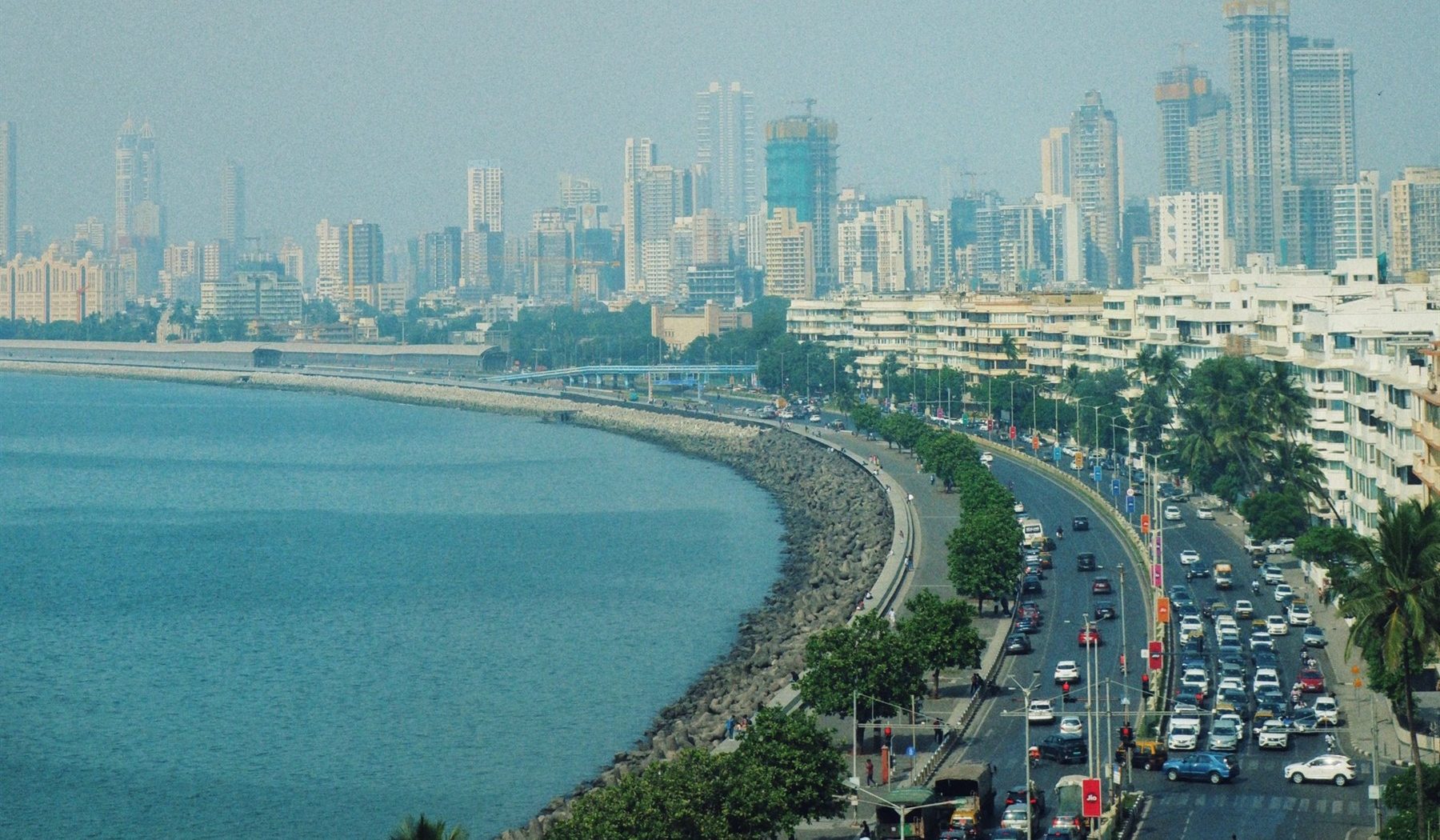
Bombay, now officially known as Mumbai, is a city that has always moved to the rhythm of many cultures. Its energy is found not only in its streets, its sea-facing promenades and its remarkable skyline, but also in the food that brings its people together. Often described as one of India’s great culinary capitals, Bombay is a place where regional traditions, migration, enterprise and imagination have shaped a food culture unlike any other.
The city’s cuisine is not the story of one community or one region. It is the story of a whole country finding a home in one city.
A city built by people – and their food traditions
For generations, people have travelled to Bombay from every corner of India in search of work, education, opportunity and a new beginning. Families from Maharashtra, Gujarat, Goa, Rajasthan, Punjab, Uttar Pradesh, Kerala, Tamil Nadu, Andhra Pradesh, Bengal and many other regions made the city their home. They brought their languages, customs, celebrations and, naturally, the food they grew up with.
A family from the south might bring the comfort of dosa, idli, coconut and curry leaves. Gujarati communities added their distinctive balance of sweet, savoury and tangy flavours. Goan kitchens carried the influence of the Konkan coast, seafood and vinegar-led preparations. Punjabi traditions contributed tandoor cooking, robust breads and generous celebratory dishes. Maharashtrian food brought its own rich spectrum, from everyday home cooking to the much-loved snacks of the city.
Over time, these traditions met in neighbourhood eateries, markets, cafés, family kitchens and restaurants. Recipes adapted to local ingredients and busy urban lives, while retaining the memories and techniques that made them meaningful. Bombay’s food culture grew through exchange: people tasted one another’s food, borrowed ideas, made new combinations and created dishes that became part of the city’s shared identity.
The street food of Bombay – a culinary identity of its own
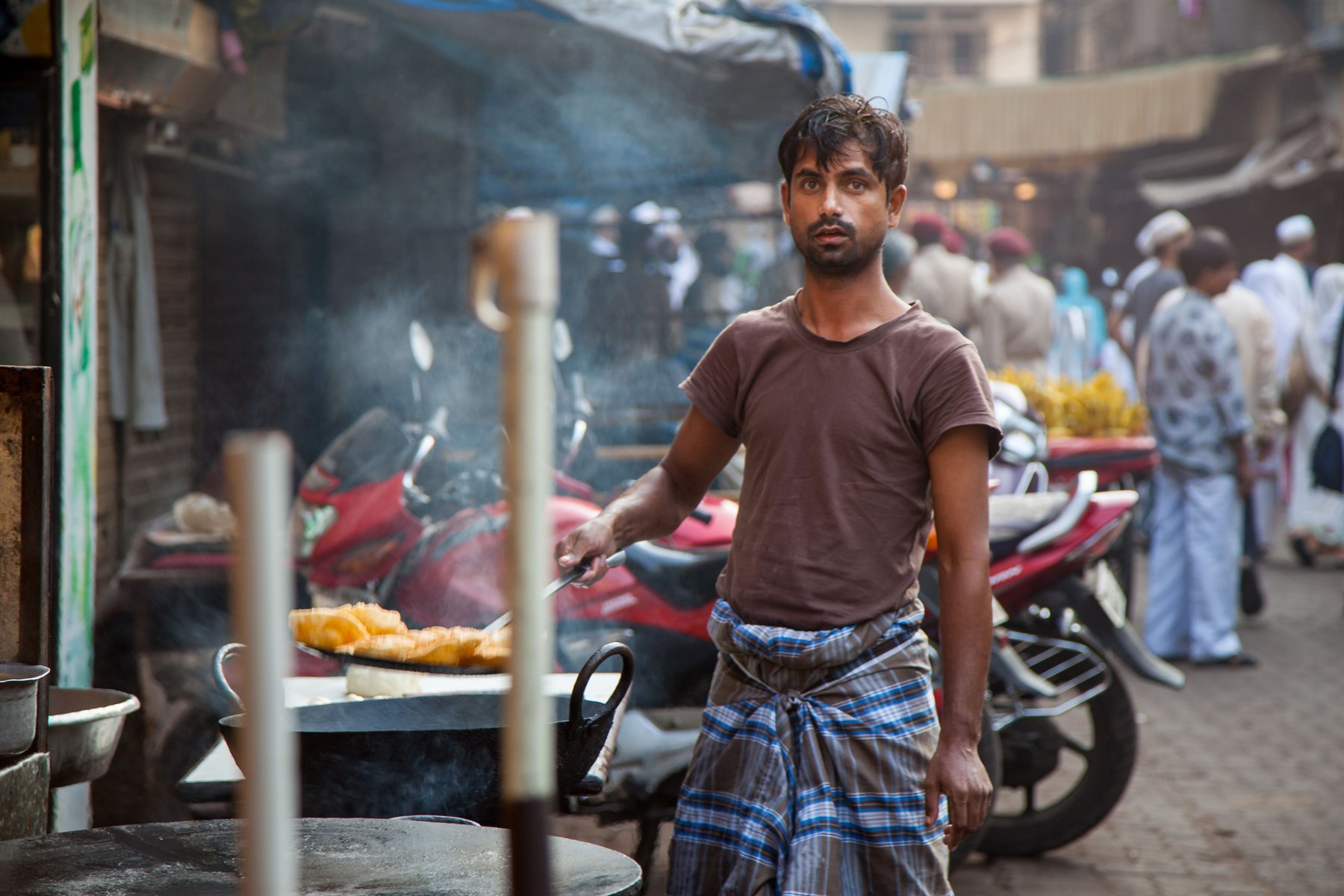
To understand Bombay, follow the aromas of its streets. The city’s street food is more than something quick to eat; it is a daily ritual and a reflection of its pace, ingenuity and diversity.
Vada pav – a spiced potato fritter tucked into a soft pav with chutneys – has become one of the city’s best-known bites. Pav bhaji, with its richly spiced vegetable mash served with buttered bread, is a favourite for an unhurried evening meal. Bhel puri, sev puri and pani puri bring together crisp textures, chutneys, herbs and contrasting flavours. The Bombay sandwich, layered with vegetables, chutney and masala, is another example of how the city has made familiar ingredients its own.
These dishes reveal an important quality of Bombay cooking: balance. Sweetness meets heat; tanginess meets richness; crunch meets softness. A handful of ingredients can create a lively, memorable experience. The food is accessible, but never ordinary.
From neighbourhood stalls to grand hotels – a culture of hospitality
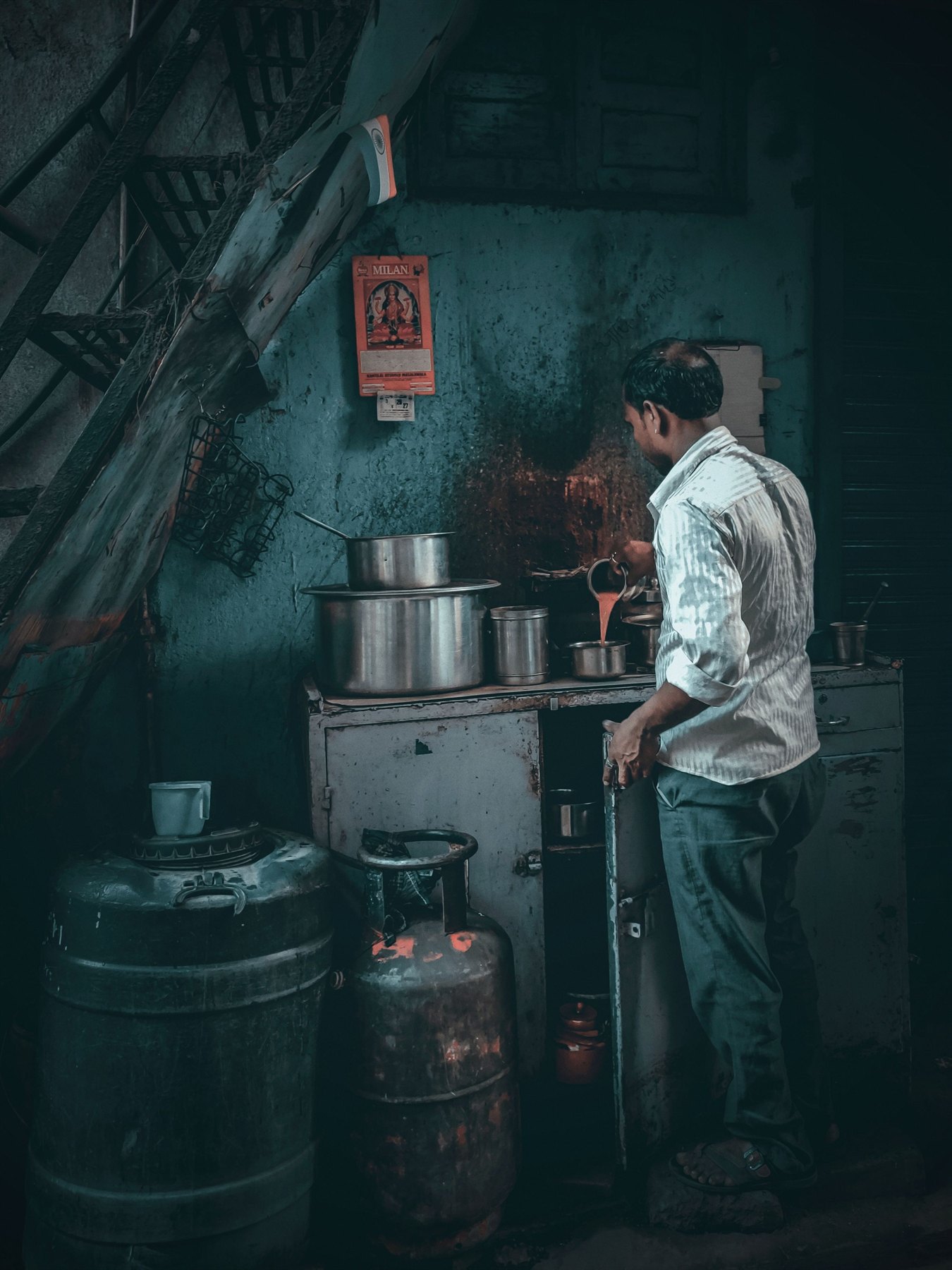
Bombay’s culinary character stretches well beyond its street stalls. The city has a long and varied hospitality tradition, from old Irani cafés and neighbourhood restaurants to elegant dining rooms and landmark hotels. These spaces have welcomed residents, travellers, artists, business people and families, making food part of the city’s social life.
The Taj Mahal Palace, which opened in 1903, became one of India’s best-known hotel landmarks and an enduring symbol of Bombay’s hospitality history. Alongside such grand institutions, countless smaller establishments have shaped the city’s everyday food culture: cafés where conversations linger, family-run restaurants serving regional favourites, and specialist kitchens devoted to particular techniques and traditions.
This range is part of what makes Bombay remarkable. Refined dining and humble street food are not opposing worlds; they are different expressions of the same generous food culture.
A meeting place for India’s regional cuisines
Bombay’s greatest culinary strength may be its ability to bring regional India together. The city offers the opportunity to encounter many food traditions in one place, often within a short distance of one another.
A menu inspired by the west coast might feature seafood, coconut, kokum and fresh curry leaves. A northern influence may bring slow-cooked gravies, tandoor-fired breads and aromatic spice blends. Southern traditions can introduce tamarind, pepper, lentils and coconut-based curries. Eastern Indian influences add their own approach to fish, mustard and seasonal ingredients.
These are not fixed categories. Migration and everyday contact have allowed dishes to travel, change and find new audiences. Bombay’s food is therefore both rooted and evolving: it respects where a recipe came from while welcoming the creativity of the city around it.
The soul of Indian cooking – spices, tradition and technique
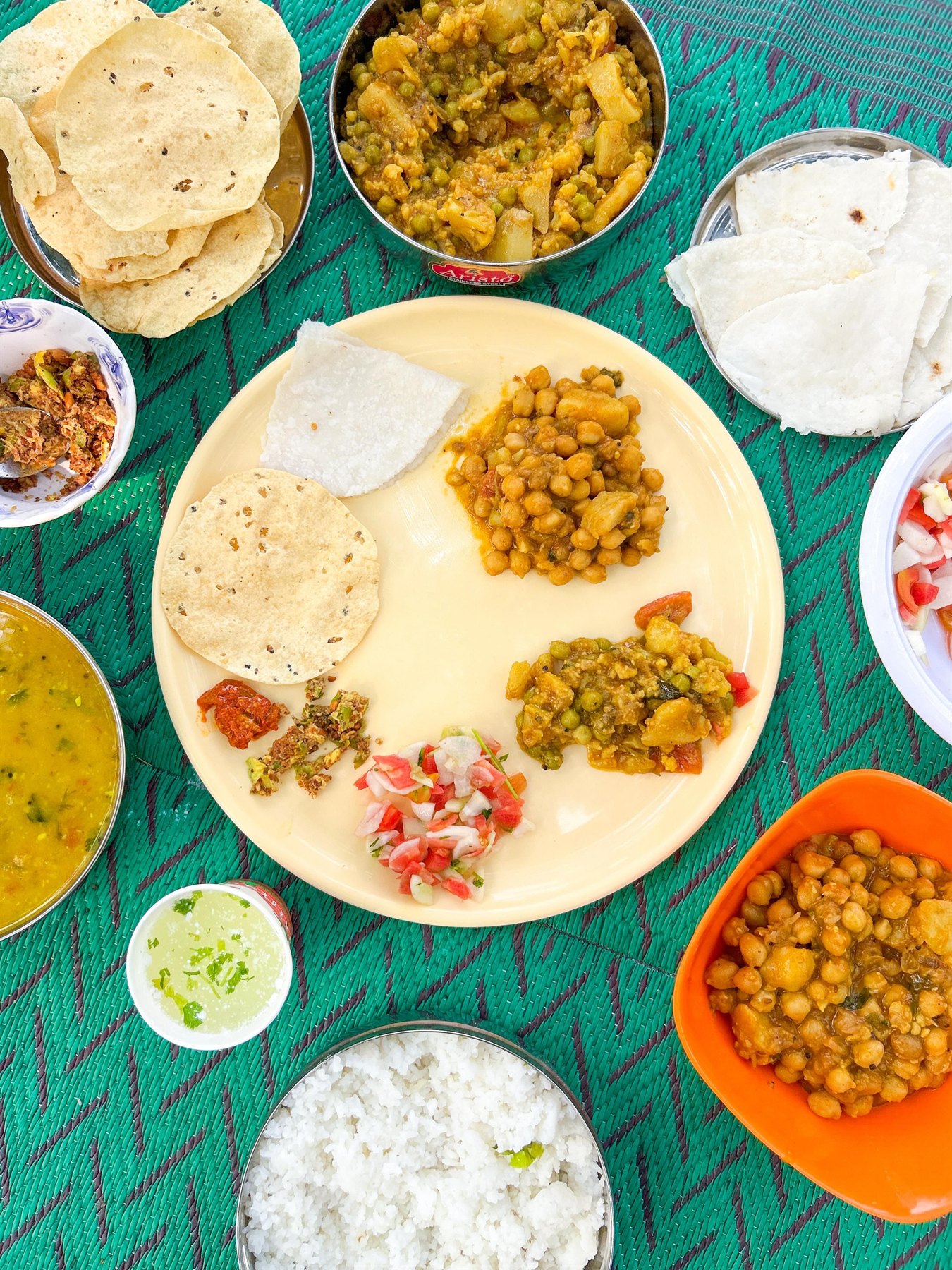
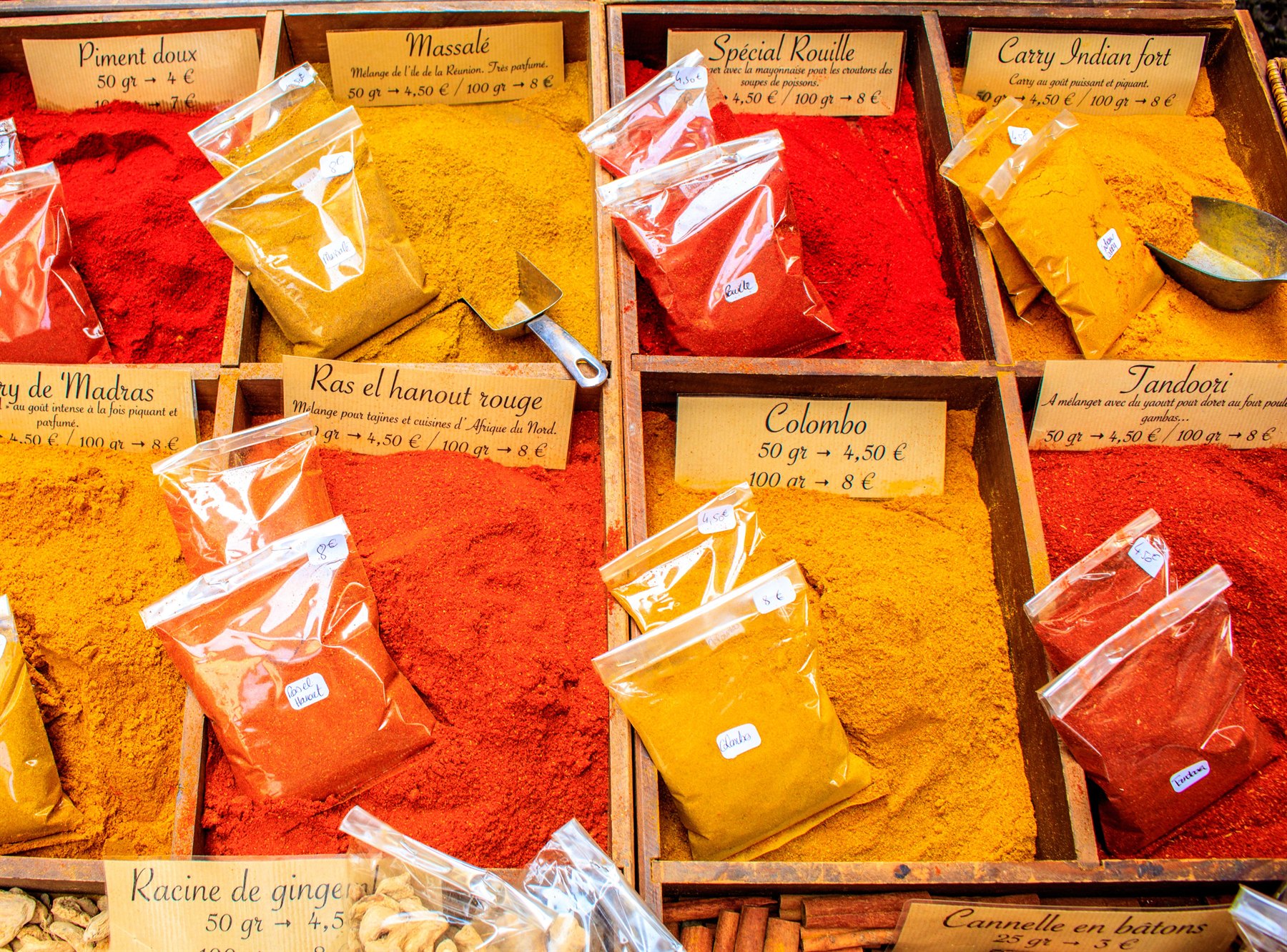
Spices are central to the language of Indian food, but great cooking is not simply about using many spices or making a dish hot. It is about understanding how ingredients work together. Cumin may be toasted to release its aroma; mustard seeds may be allowed to crackle in hot oil; ginger, garlic, chillies and fresh herbs may build layers of flavour. A slow simmer can bring depth to a curry, while the intense heat of a tandoor gives breads and marinades their distinctive character.
Every region has its own combinations, methods and preferences. The cook’s judgement – when to add an ingredient, how long to cook it, and how to balance acidity, sweetness, heat and richness – is what gives a dish its identity.
That knowledge is often passed from one generation to another. It lives in family kitchens, local markets and professional kitchens alike. In Bombay, these culinary languages meet every day.
Bombay – a culinary city with a human story
What makes Bombay’s food culture so compelling is the human story behind it. Each migration brought more than a recipe. It brought memories of home, celebrations, family habits and ways of welcoming guests. A dish could become a reminder of a village, a coastline, a festival or a childhood kitchen – and then become part of the life of a new neighbourhood.
Over generations, the city made room for these different traditions. The result is not a single, uniform cuisine, but a living mosaic. Bombay’s food tells the story of people who arrived from different places, built lives together and shared what they knew best.
Bringing the spirit of Bombay to Oslo – Bombay Blues
At Bombay Blues, the name is a tribute to the city whose food culture and hospitality continue to inspire us. Our roots are connected to Bombay, and our approach is shaped by a respect for India’s diverse culinary traditions. We call our concept Urban Indian Soul Food: food with a sense of place, made with care and served with genuine warmth.
Our kitchen draws inspiration from the breadth of Indian cooking – from tandoor-grilled specialities to aromatic curries and dishes influenced by different regions. The menu includes favourites such as Prawns Koliwada and Malabari Chicken Curry, alongside other dishes prepared with an appreciation for traditional ingredients and techniques. Explore the Bombay Blues menu to discover the dishes currently being served.
Bombay Blues was created by three hospitality professionals whose careers have taken them around the world, while their culinary roots remain closely connected to Mumbai. Read more about our story and the people behind Bombay Blues.
Located at Bygdøy allé 8 in Frogner, Oslo, Bombay Blues brings a little of that Bombay spirit to the neighbourhood: a welcoming table, thoughtful cooking and the pleasure of sharing a meal.
Whether you are joining us for dinner, planning a celebration or arranging food for a gathering, we would be delighted to welcome you. Reserve a table, discover our private dining and group occasions, explore Indian catering in Oslo, or enquire about a Christmas dinner at Bombay Blues. For other questions, contact us.
Bombay – where every region brought its flavours
Bombay’s food culture is a celebration of movement, memory and belonging. People from across India came to the city and brought their cuisines with them. Their traditions met, influenced one another and became part of a shared culinary identity that continues to evolve.
Every region contributed its flavours. Every community added its traditions. Every generation helped shape a city whose food culture belongs to the whole of India.
From Bombay. With love.

WRITTEN BY
Rajiv Tiwari
Bombay Blues serves Indian soul food at Bygdøy allé 8 in Frogner, Oslo. Here we share what we know about spices, the tandoor and the food we love. More stories ↗