
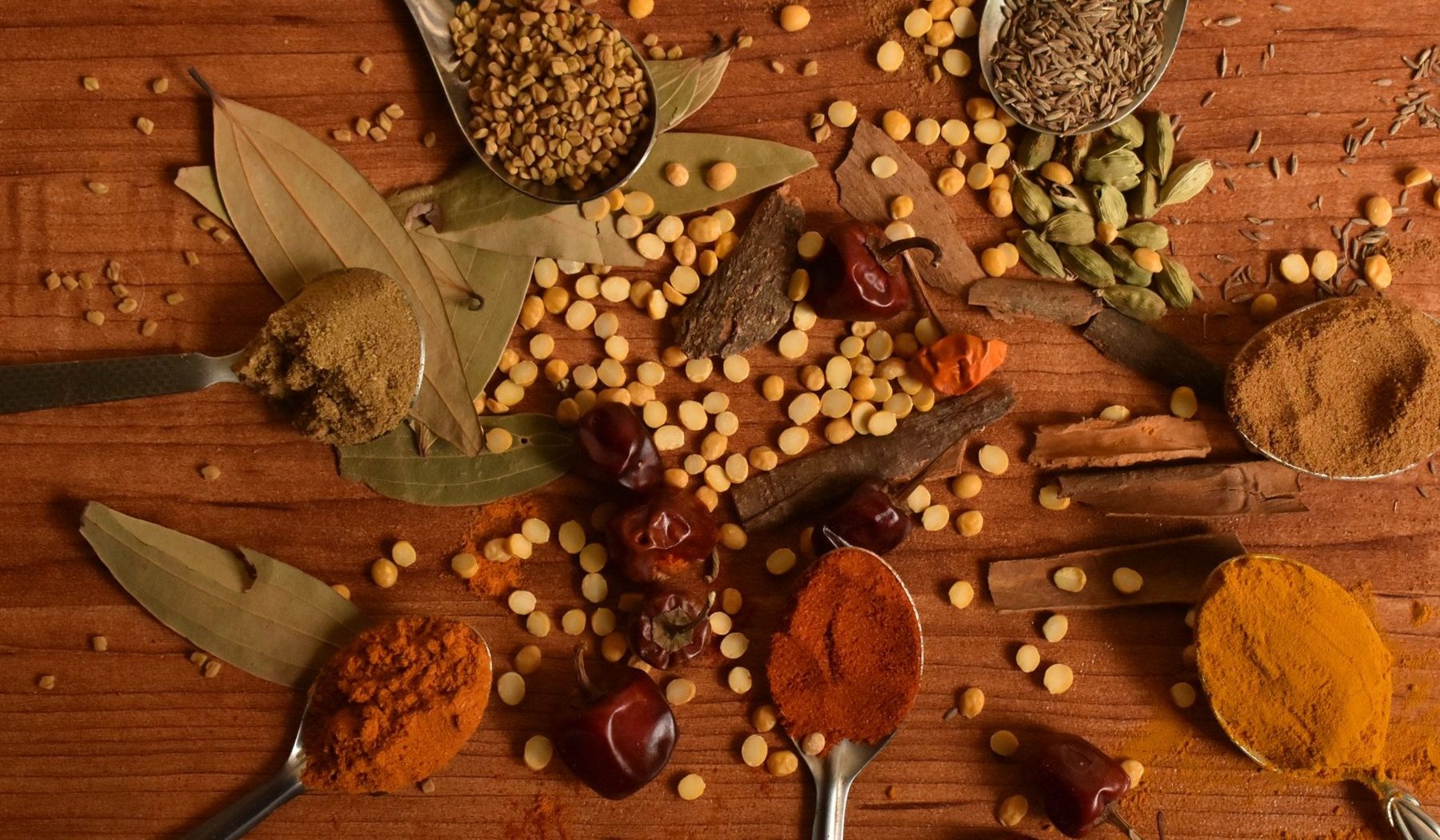
There is something extraordinary about the aroma of spices meeting a warm pan. A handful of cumin seeds beginning to crackle in hot oil, the delicate fragrance of freshly ground cardamom, or the deep, earthy warmth of turmeric can transform an ordinary ingredient into something memorable.
In Indian kitchens, spices have never been merely an addition to food. They are the foundation of its character, the expression of regional identity and an essential part of a culinary heritage passed down through generations. It is the same instinct for flavour that shapes the food we serve at Bombay Blues, and the same diversity that makes Bombay one of India’s great culinary capitals.
Yet the story of spices extends far beyond India.
Long before modern international cuisine, spices travelled along ancient maritime routes and through bustling trading ports, connecting the Indian subcontinent with the Middle East, Africa and Europe. They found their way into European royal kitchens, medieval Norwegian cooking, traditional Scandinavian baking and, eventually, everyday households.
Today, many of the spices that define Indian cuisine are equally familiar to European cooks. Black pepper, cinnamon, ginger, cardamom, cloves and nutmeg are found in kitchens from Mumbai to Oslo. Their applications may differ, but their ability to bring depth, warmth and complexity to food remains universal.
At Bombay Blues, we find this relationship between culinary traditions particularly fascinating. It reminds us that great food is not defined by geographical boundaries, but by the understanding of ingredients, the balance of flavours and the craft of bringing them together.
A journey through centuries: the history of spices
India has occupied an important position in the international spice trade for thousands of years. The Malabar Coast in south-western India, particularly the region around present-day Kerala, became one of the most significant centres for the cultivation and export of black pepper.
Indian spices travelled by sea and overland through networks connecting merchants from Arabia, Persia, East Africa, Southeast Asia and the Mediterranean.
Pepper, cardamom, cinnamon, ginger and turmeric were highly valued commodities. They were traded not only for their culinary qualities but also for their fragrance, cultural significance and traditional uses.
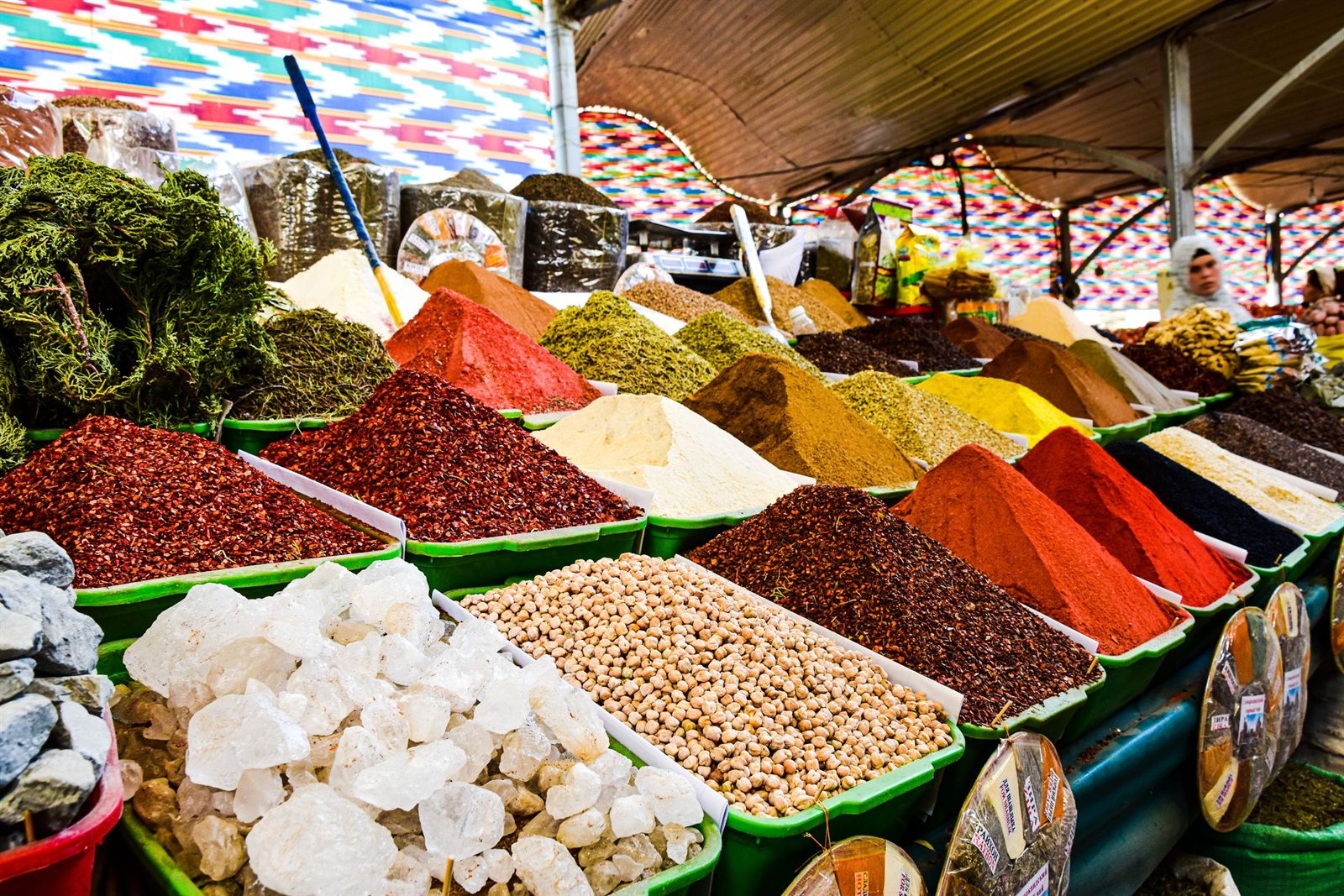
By the Middle Ages, spices had become symbols of wealth and refinement in European households. They were used in elaborate sauces, meat preparations, fish dishes and spiced wines. Their arrival in Northern Europe introduced new possibilities into kitchens that had traditionally relied heavily on locally available herbs and seasonings.
Norway was also part of this fascinating history.
According to research presented by Norway’s Historical Museum, imported spices such as ginger, cloves, cinnamon, saffron and cardamom were already influencing Nordic cooking during the Middle Ages. They were expensive ingredients, primarily accessible to households with greater means.
Over time, these flavours became part of European culinary traditions, eventually finding a permanent place in everything from festive baking to traditional drinks.
The journey of spices is, in many ways, a story of cultural exchange. What began as a precious commodity traded across oceans became an essential part of kitchens around the world.
Understanding the spices that define Indian cooking
Indian cuisine is extraordinarily diverse. From the coastal kitchens of Kerala and Goa to the royal culinary traditions of Rajasthan, the fragrant rice dishes of Hyderabad and the rich preparations of North India, every region has its own relationship with spices.
The same spice can produce remarkably different results depending on how it is prepared, combined and introduced into a dish. Here are some of the most important spices that give Indian cooking its distinctive character.
1. Cumin – the earthy foundation
Cumin is one of the most recognisable spices in Indian cooking. Its warm, slightly nutty and earthy character makes it an essential ingredient in countless regional preparations.
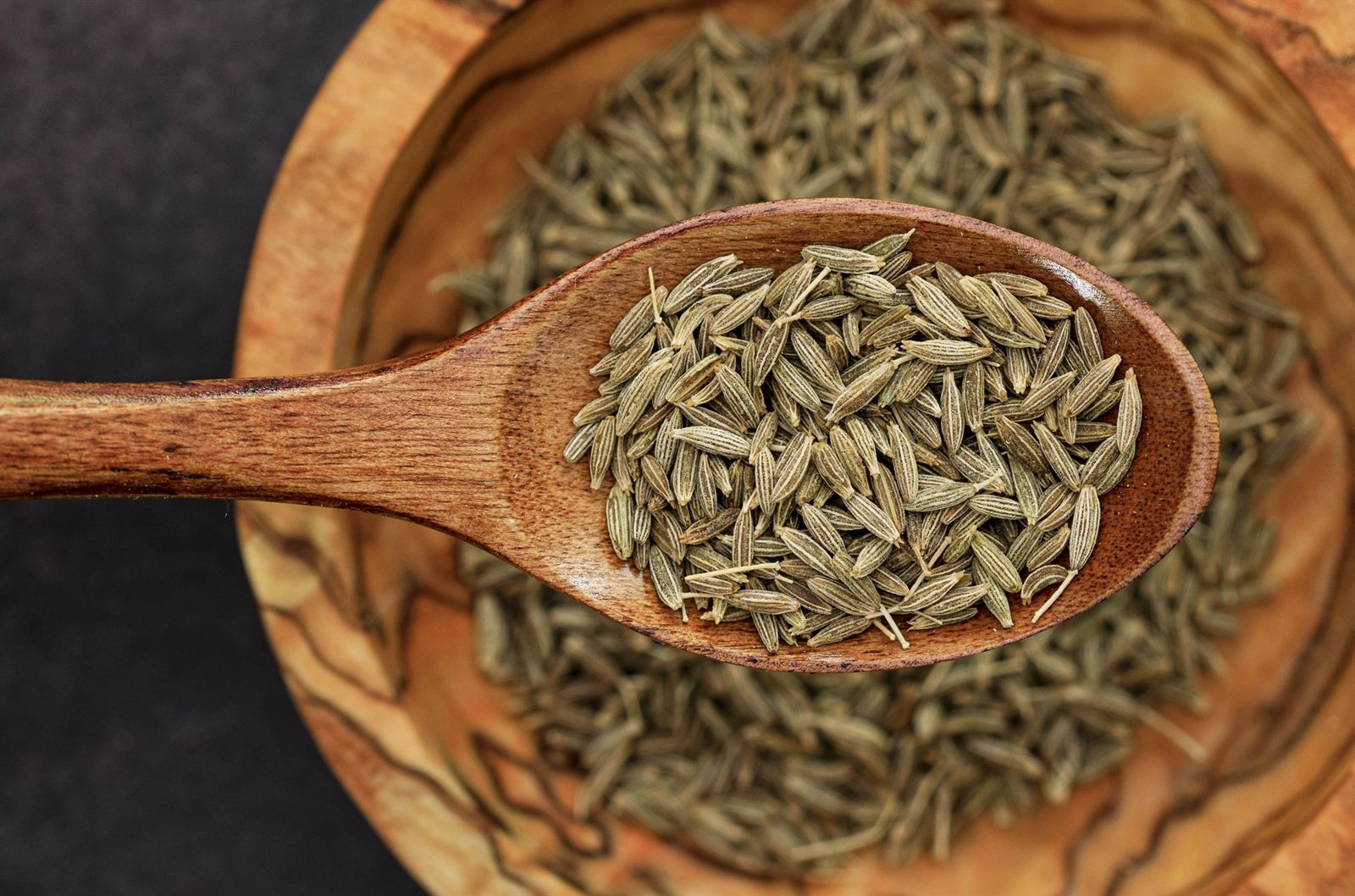
In Indian kitchens, whole cumin seeds are frequently added to hot oil or ghee. This technique, known as tadka or tempering, releases their aromatic oils and creates the flavour foundation for dals, vegetable preparations, curries and rice dishes.
Ground cumin offers a different experience, adding depth to marinades, spice blends and slow-cooked sauces.
Its versatility also makes it valuable in European cooking. Cumin works beautifully with roasted root vegetables, lamb, grilled fish and vegetable soups. A small quantity can introduce warmth without overpowering the natural character of the ingredients.
2. Coriander – freshness, warmth and balance
Coriander seeds are among the most widely used spices in Indian cuisine.
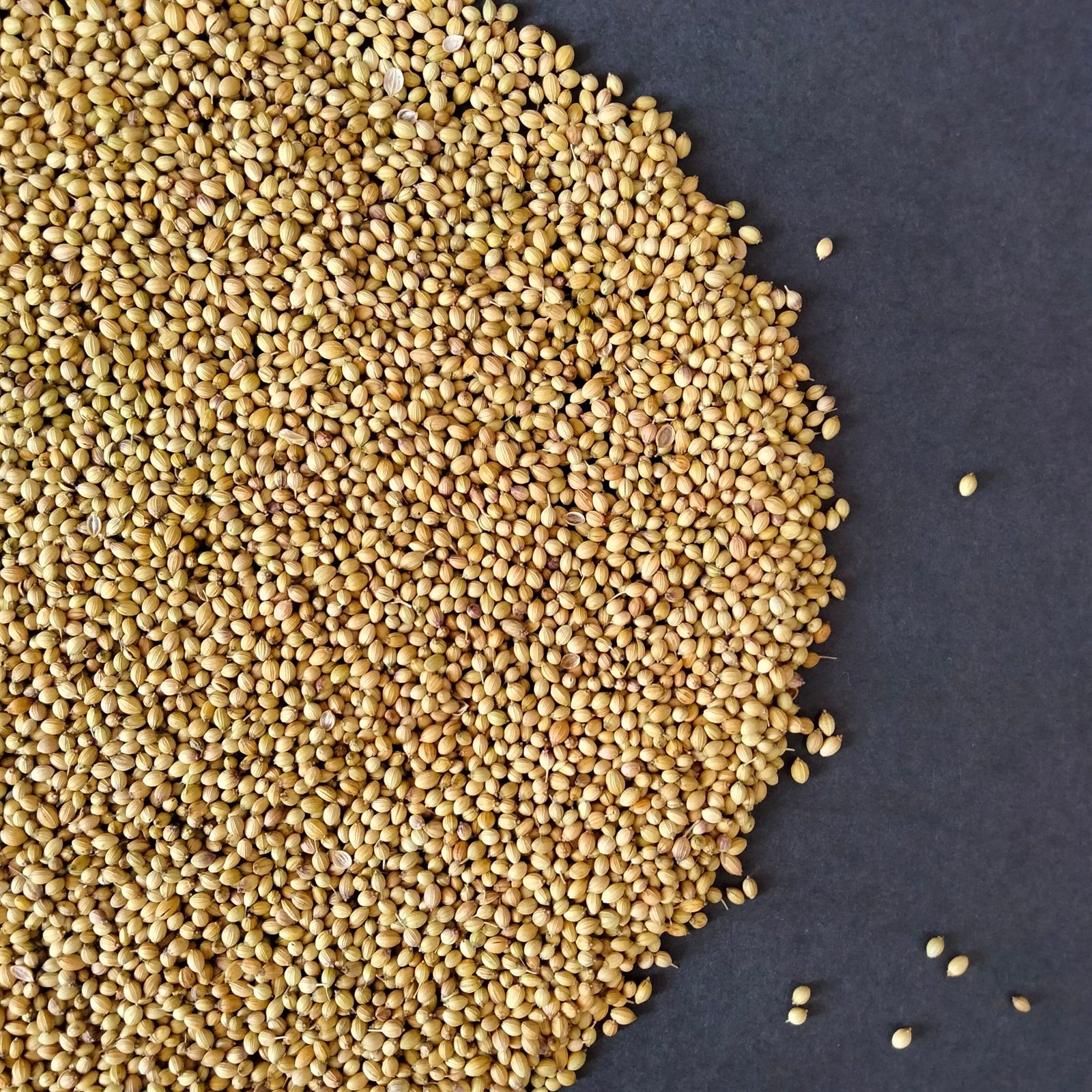
When toasted and ground, they develop a gentle citrus-like fragrance with subtle earthy and sweet notes. Coriander provides structure to many Indian spice blends, complementing cumin, turmeric, chilli and other aromatics.
Fresh coriander leaves, meanwhile, offer an entirely different dimension. Their bright, herbaceous character brings freshness to rich sauces, grilled preparations and lentil dishes.
In European kitchens, ground coriander pairs particularly well with carrots, potatoes, seafood, chicken and roasted vegetables. Its ability to balance richer flavours makes it an excellent companion to ingredients commonly found in Nordic cooking.
3. Turmeric – the golden spice
Few spices are as visually distinctive as turmeric. Known for its brilliant golden-yellow colour, it has been an important part of Indian culinary traditions for centuries.
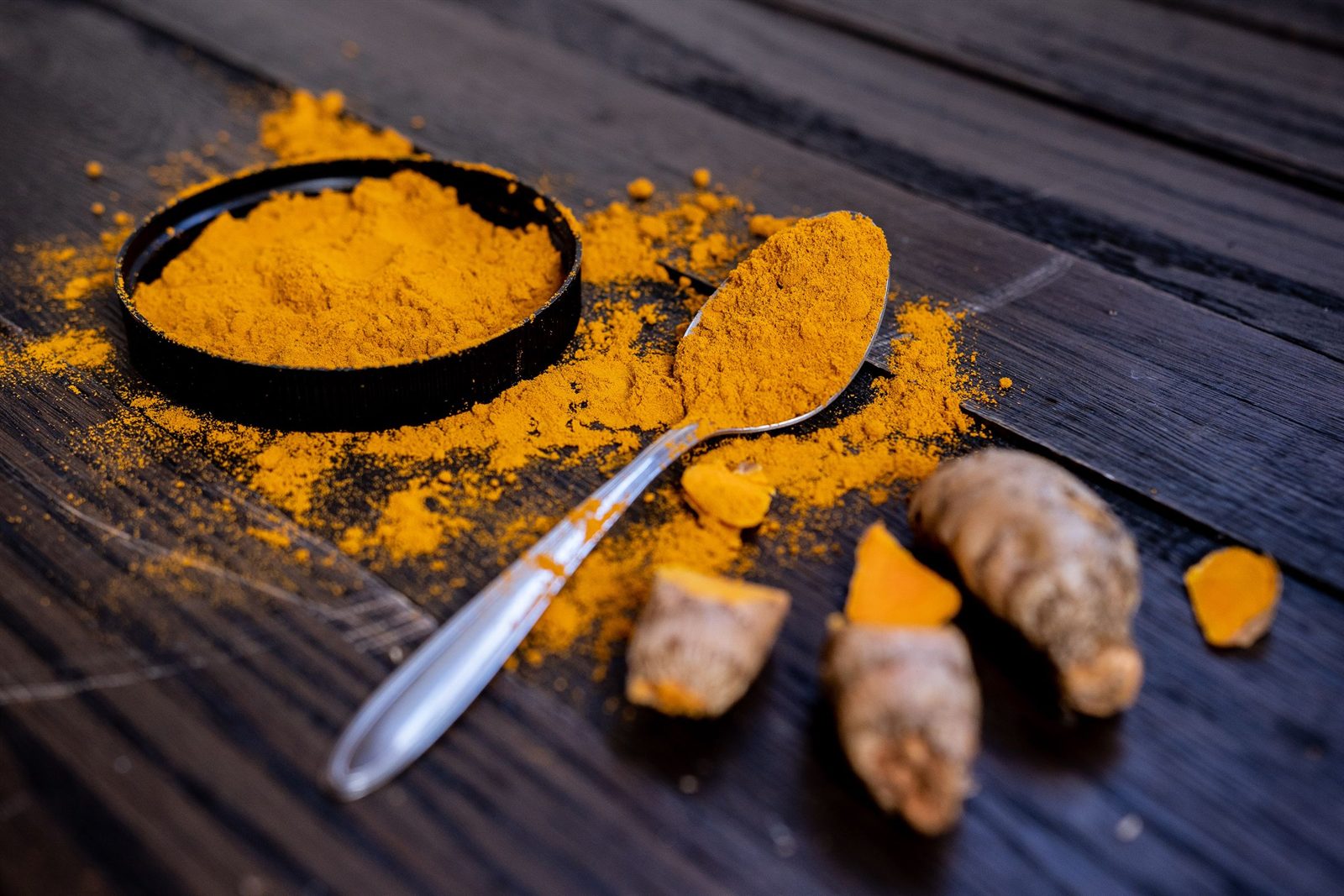
It has a delicate earthy flavour with subtle bitterness and is used in vegetable preparations, lentils, marinades, rice dishes and curries.
In Indian cooking, turmeric is rarely expected to dominate a dish. Instead, it contributes colour, background flavour and harmony within a carefully composed spice combination.
European chefs have increasingly embraced turmeric in soups, vegetable purées, roasted cauliflower, rice and contemporary sauces. Its natural colour makes it particularly attractive in modern food presentation, while its flavour offers an interesting alternative to conventional seasoning.
4. Cardamom – the fragrance of elegance
Cardamom is one of the most aromatic spices in the world. Green cardamom has a delicate fragrance combining floral, citrus and sweet notes. Black cardamom, by contrast, is deeper, smokier and more robust.
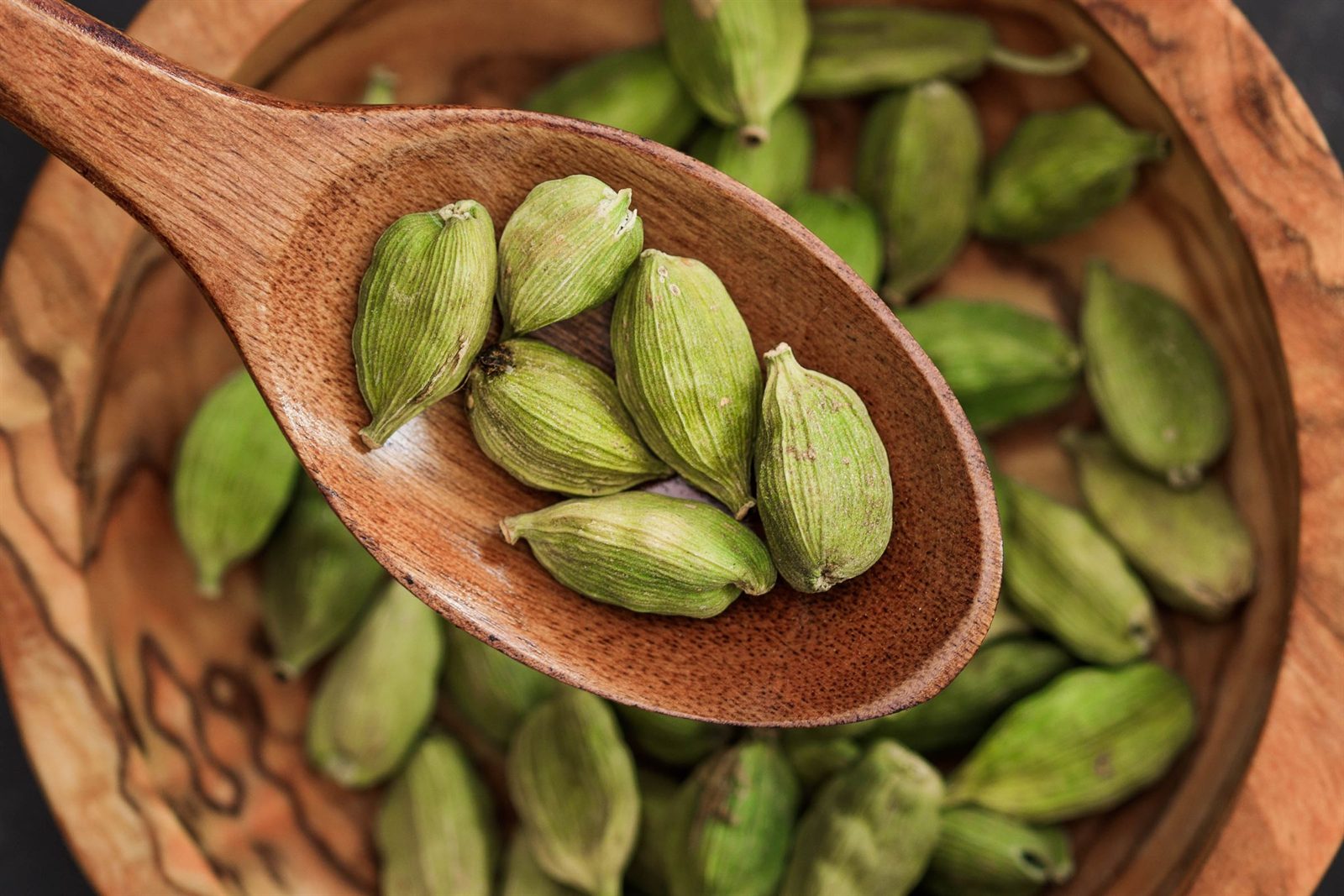
In Indian kitchens, green cardamom is used in desserts, rice preparations, tea, milk-based sweets and selected savoury dishes. It is also an important ingredient in many traditional spice blends.
Interestingly, cardamom has a particularly strong relationship with Scandinavian food culture. In Norway and Sweden, it is widely associated with sweet baking, and its fragrance is familiar in traditional buns, pastries and festive recipes.
The use of cardamom in Norwegian baking offers a wonderful example of how a spice that travelled from distant regions became part of an everyday culinary identity. The next time you enjoy a freshly baked Norwegian cardamom bun, you are tasting a flavour with a remarkable international journey.
5. Cinnamon – warmth across cultures
Cinnamon is perhaps one of the clearest examples of a spice shared between Indian and European kitchens. In Indian cuisine, it is used in both sweet and savoury preparations, contributing warmth and fragrance to biryanis, meat curries, rice dishes and aromatic spice blends.
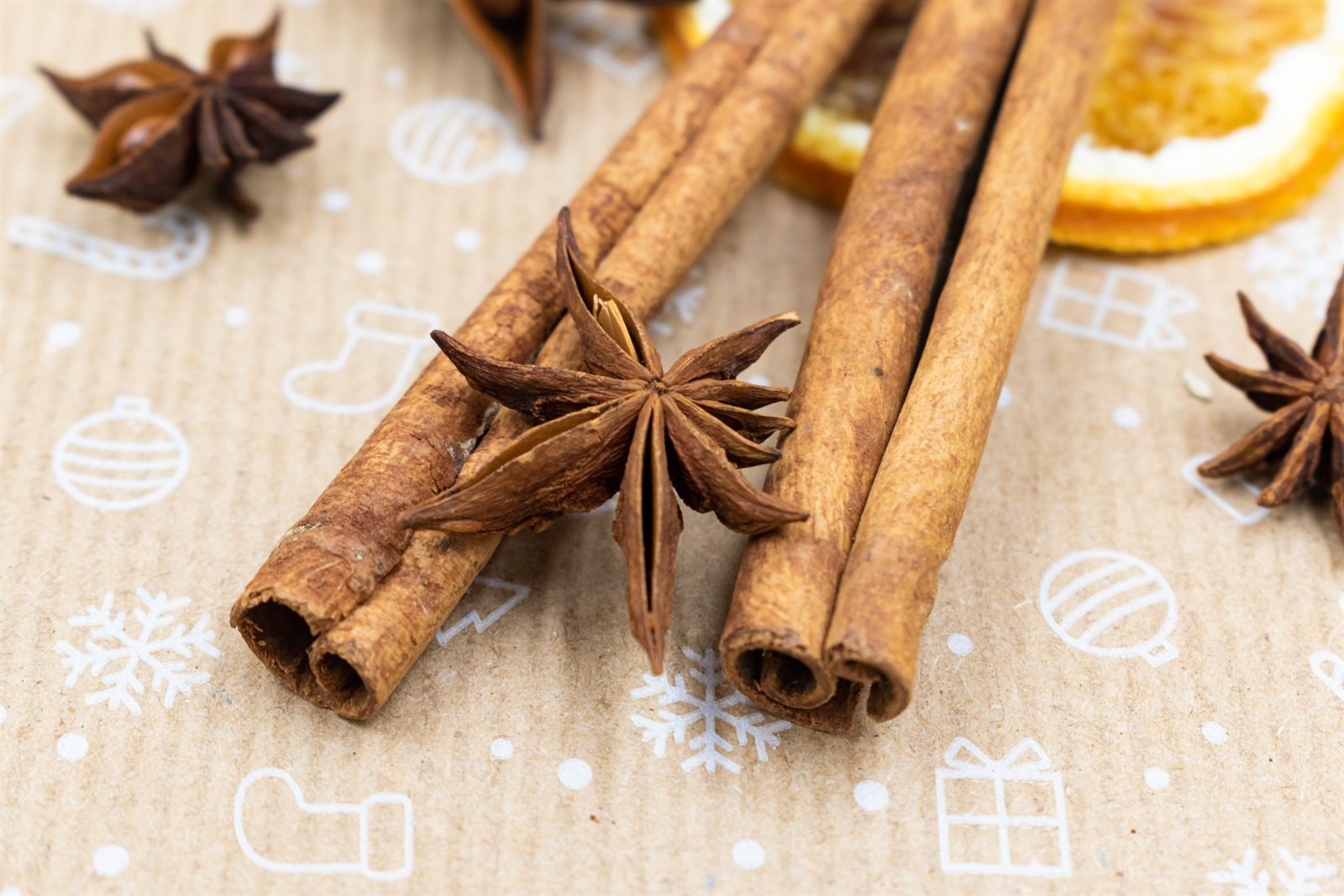
In European cooking, cinnamon is strongly associated with pastries, cakes, desserts, breakfast dishes and winter beverages. Its versatility extends beyond sweetness: used with restraint, it can bring an unexpected elegance to slow-cooked lamb, roasted vegetables and rich sauces.
The secret is balance. Too much cinnamon can dominate a dish, while a carefully measured amount can create remarkable depth.
6. Ginger – freshness with character
Ginger is an essential ingredient in Indian cooking, particularly in combination with garlic and other aromatics. Fresh ginger introduces a lively, slightly peppery warmth to marinades, sauces, soups and stir-fries, while dried ginger has a more concentrated flavour and is commonly used in spice blends and baking.
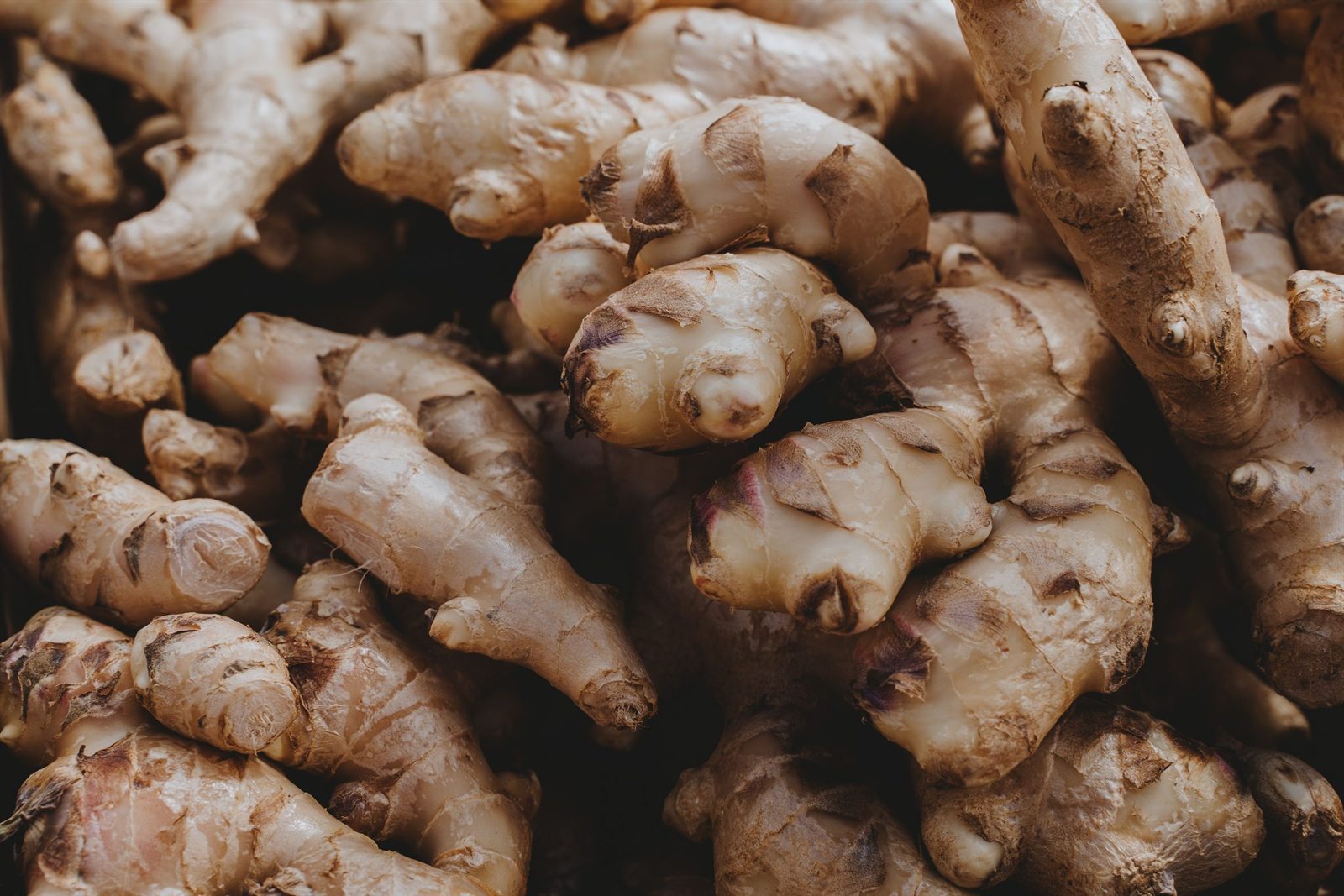
European kitchens have long appreciated ginger, particularly in gingerbread, biscuits, cakes, warming drinks and seasonal cooking. In Norway, ginger is familiar in traditional Christmas baking, making it another beautiful connection between Indian and Nordic culinary traditions.
Fresh ginger also works exceptionally well with seafood, poultry and vegetables, offering a bright counterpoint to richer ingredients.
7. Black pepper – the universal spice
Black pepper has an extraordinary place in culinary history. Native to India’s Malabar Coast, it was one of the most valuable spices traded between Asia and Europe for centuries. Known historically as the king of spices, it is now a fundamental seasoning in kitchens across the world.
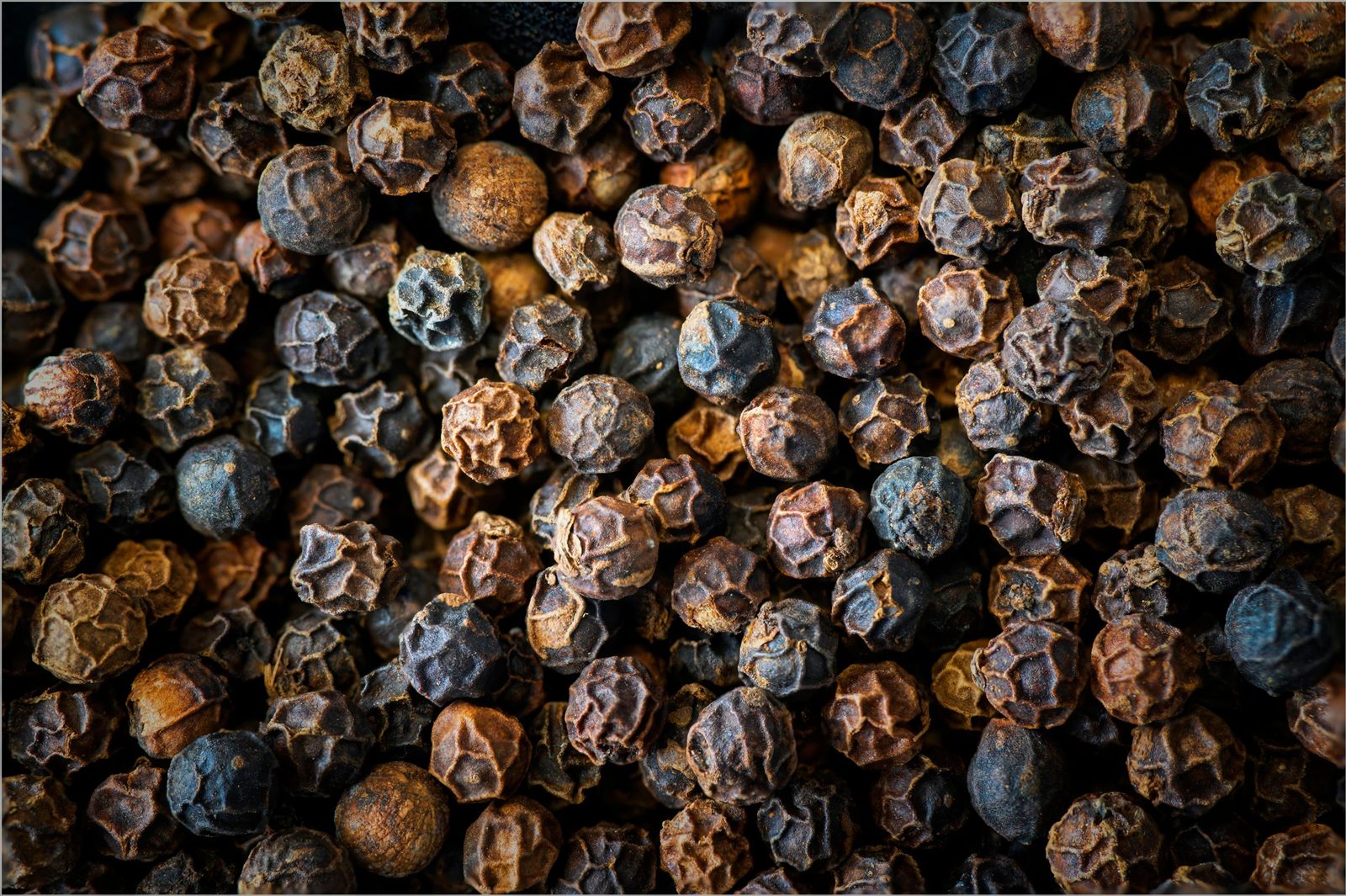
In Indian cuisine, it appears in spice blends, pepper-based curries, marinades and regional preparations. In European cooking, it is almost indispensable for seasoning meat, fish, vegetables, soups and sauces.
Its sharp, woody warmth can enhance the natural flavour of an ingredient without changing its identity. For Nordic cooking, where the quality of the principal ingredient is often allowed to take centre stage, freshly ground black pepper remains an especially useful seasoning.
8. Cloves – intensity in a small package
Cloves are among the most powerful aromatic spices used in cooking. Their sweet, warm and slightly pungent fragrance makes them an important ingredient in Indian rice preparations, meat curries, marinades and traditional spice blends.
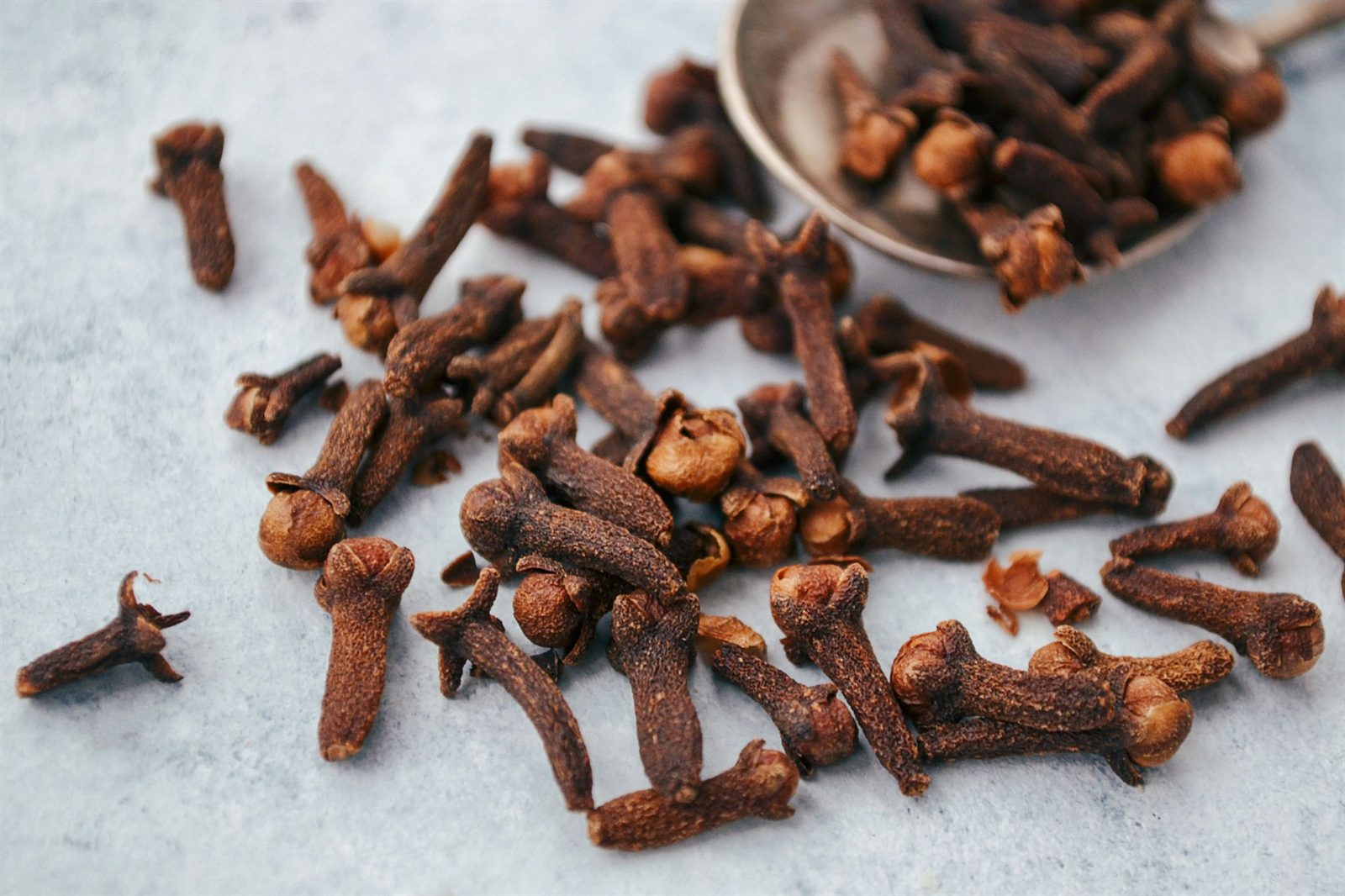
In European kitchens, cloves are familiar from mulled wine, festive baking, marinades and slow-cooked dishes. They are particularly interesting because a very small quantity can have a significant influence on the final flavour.
Cloves demonstrate an important principle of good cooking: intensity is not about quantity. It is about understanding how much of an ingredient is needed.
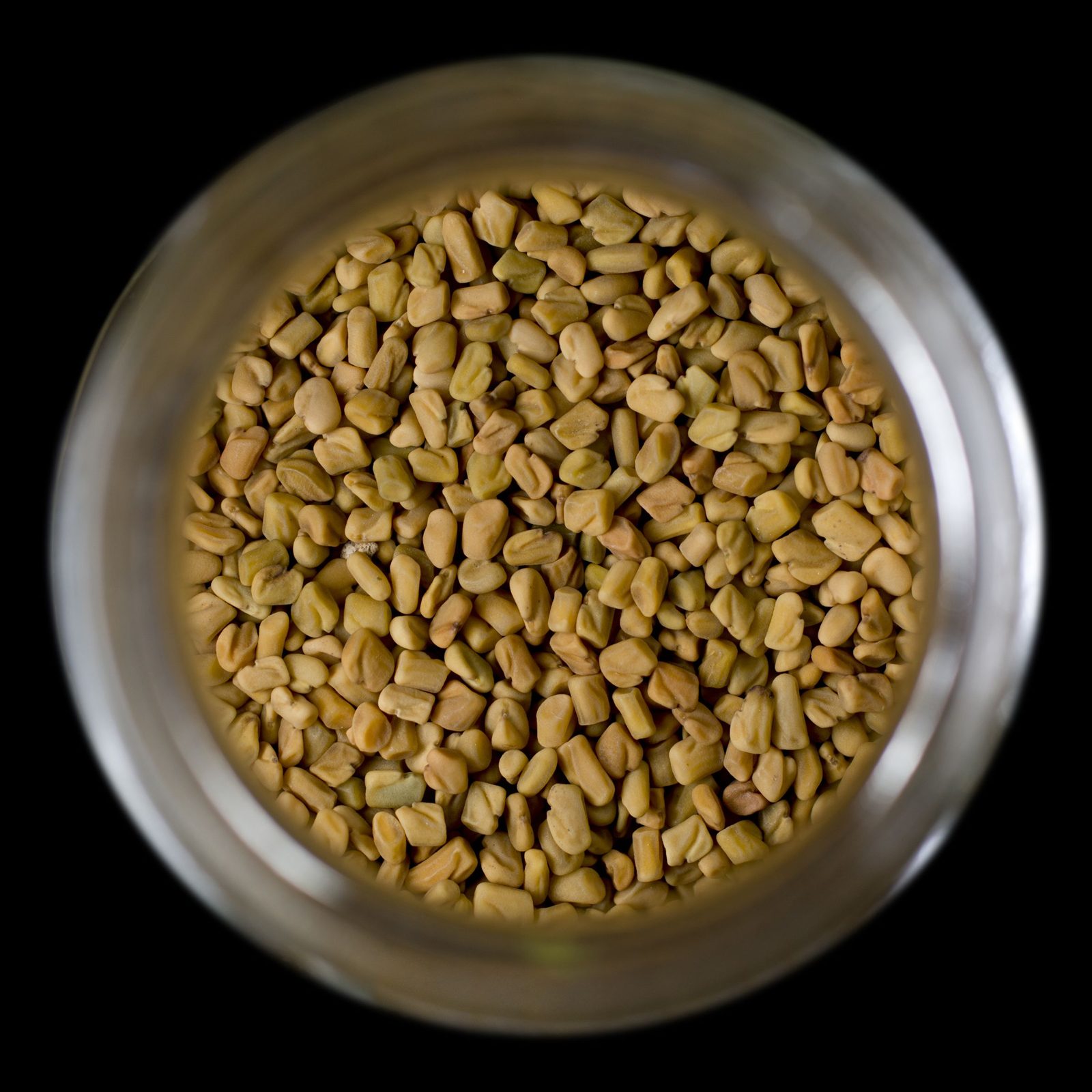
9. Fenugreek – the distinctive depth
Fenugreek is a particularly interesting spice in Indian culinary traditions. Its seeds have a slightly bitter, nutty character, while its dried leaves, known as kasuri methi, offer a distinctive fragrance with hints of maple-like sweetness.
Dried fenugreek leaves are especially valued in North Indian cooking, where they are often crushed between the palms and added towards the end of preparing a sauce. This releases their fragrance and creates a recognisable flavour in many traditional dishes.
Fenugreek can also work beautifully with roasted vegetables, creamy sauces and selected meat preparations. It is a good example of how Indian cooking uses not only different spices but also different parts of the same plant to create entirely different flavour experiences.
10. Saffron – a touch of luxury
Saffron is one of the world’s most precious culinary spices. Harvested from the delicate stigmas of the saffron crocus, it is prized for its beautiful golden colour, subtle floral fragrance and distinctive flavour.
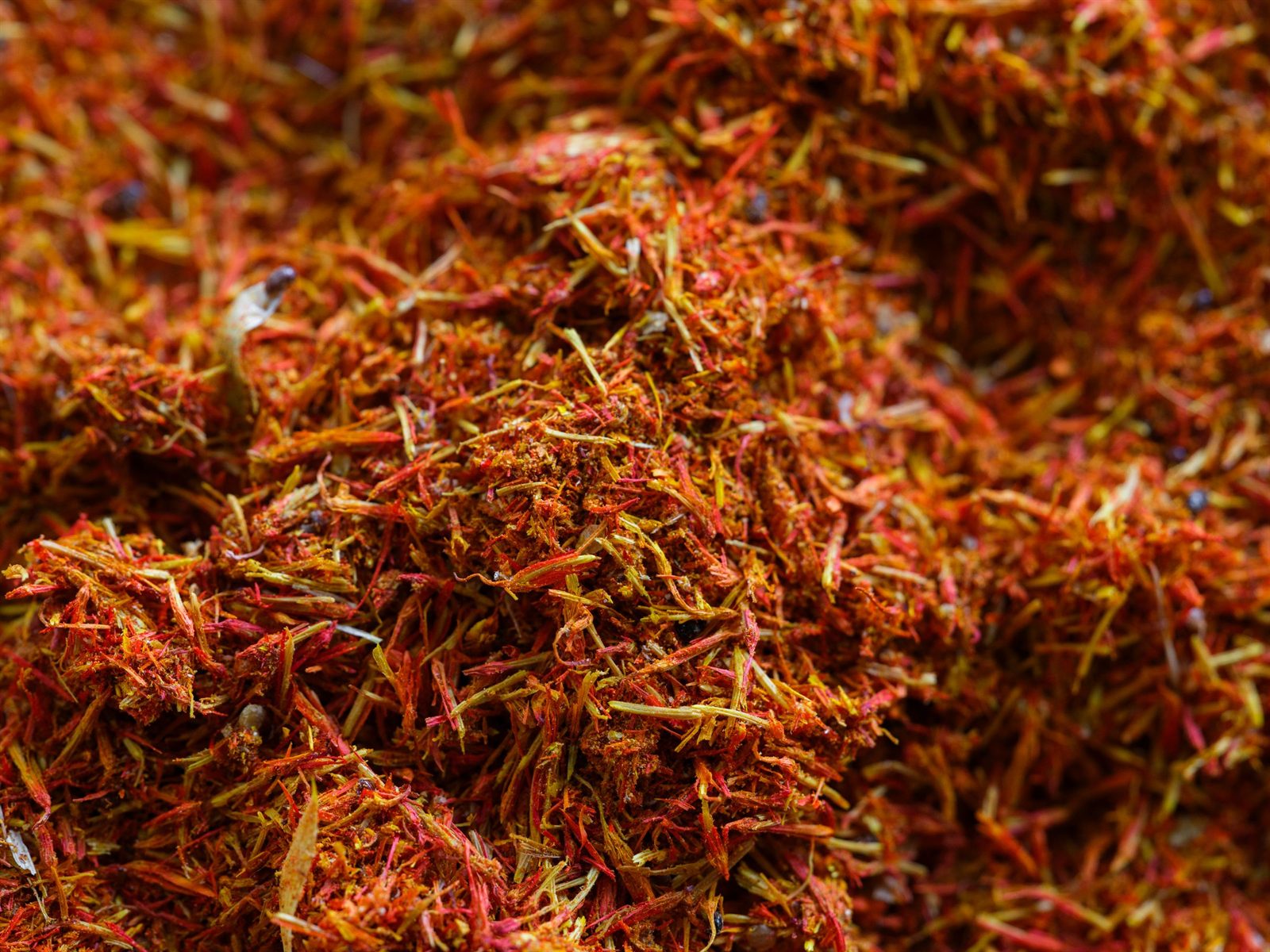
In Indian cuisine, saffron is associated with celebratory dishes, fragrant biryanis, rice preparations and traditional desserts. European kitchens also value it, particularly in Spanish paella, Italian risotto alla Milanese and Scandinavian festive baking.
In Norway, saffron is especially familiar through lussekatter, the golden saffron buns traditionally associated with Saint Lucia’s Day. It is a wonderful reminder that the same precious ingredient can create very different culinary expressions across cultures.
The connection between Indian spices and the Norwegian kitchen
There is a common perception that traditional Norwegian food is relatively simple in its use of spices. Yet history tells a more interesting story. Norwegian culinary traditions have long included imported aromatic ingredients, and historical accounts and research into medieval Norwegian food reveal the use of cinnamon, cloves, ginger, cardamom, saffron and nutmeg in earlier cooking.
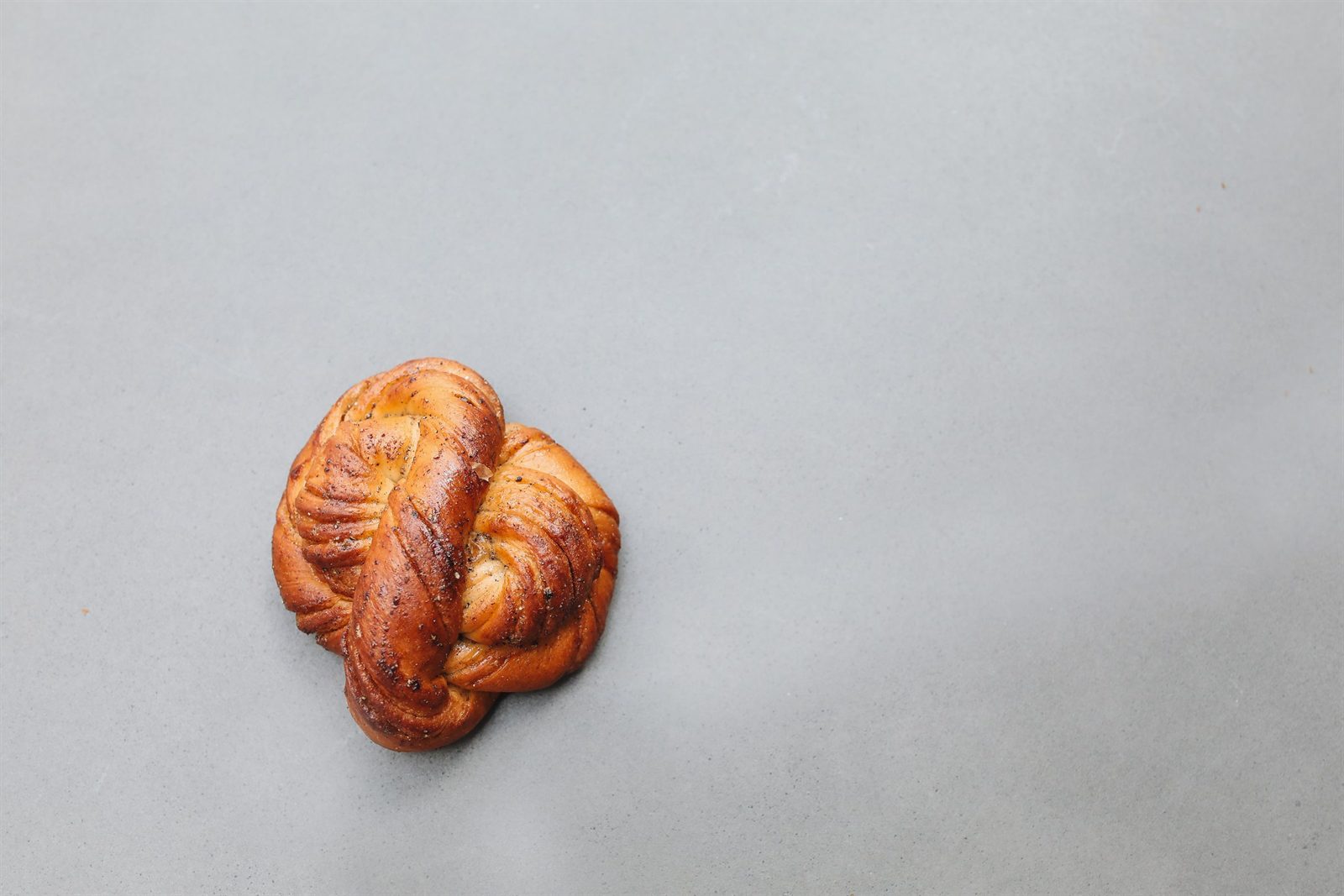
Today, some of these spices are particularly associated with baking and seasonal traditions. Consider a few familiar examples:
Cardamom in Norwegian baking. The fragrant cardamom found in Norwegian buns and sweet pastries demonstrates how an ingredient from distant lands became deeply embedded in Scandinavian baking culture.
Cinnamon in traditional baking. Cinnamon is a familiar presence in Norwegian sweet pastries, cakes and seasonal recipes. Its gentle warmth creates an unmistakable sense of comfort.
Ginger in Christmas traditions. Ginger is an essential part of the aromatic character of Norwegian pepperkaker and other festive baked goods. It is also one of the flavours that returns every year on our Christmas dining menu.
Saffron in Lucia celebrations. The beautiful golden colour of Norwegian lussekatter comes from saffron, one of the world’s most valued spices.
Caraway in Norwegian aquavit. Caraway is a distinctive flavour in Norwegian aquavit, alongside other botanicals and aromatic ingredients. It is an excellent example of the country’s own tradition of using spices and herbs to create character in beverages.
These examples demonstrate that Indian and Norwegian food cultures are not as distant as they might initially appear. They share an appreciation for aromatic ingredients, carefully balanced flavours and the emotional connection between food and tradition.
The secret is not using more spices. It is understanding them.
One of the greatest misconceptions about Indian cuisine is that its character comes simply from using a large number of spices. In reality, the art lies in understanding their individual personalities and knowing how they interact.
A skilled cook considers several elements:
The order of preparation. Some spices release their fragrance beautifully when introduced into warm oil, while others are better added later.
The temperature. Heat influences how spices release their aromatic compounds. Excessive heat can burn delicate spices and create unwanted bitterness.
The form. Whole seeds, freshly ground spices, dried leaves and fresh aromatics each offer different qualities.
The balance. Earthy, sweet, citrusy, bitter, pungent and warming notes must work together rather than compete.
The timing. Some flavours need time to develop through slow cooking, while others are best introduced towards the end to preserve their freshness.
An important technique in Indian kitchens is tadka, or tempering. Whole spices are briefly heated in oil or ghee to release their aromas before being incorporated into a dish. Another is dry roasting, which can deepen the fragrance of selected seeds before they are ground.
These are not simply cooking methods. They are expressions of experience, observation and generations of culinary knowledge.
Bringing Indian spices into the modern European kitchen
The contemporary European kitchen offers wonderful opportunities to explore Indian spices beyond traditional curries.
A little cumin can bring character to roasted carrots. Coriander can add freshness to seafood. Turmeric can introduce colour and earthy depth to a vegetable soup. Cardamom can add elegance to a dessert. Ginger can bring brightness to a sauce accompanying grilled fish.
The key is not to make every dish taste Indian. It is to understand how these ingredients can complement the natural qualities of European produce.
Nordic ingredients, in particular, provide an interesting foundation for this approach. Fresh seafood, seasonal vegetables, root vegetables, lamb and carefully selected local produce can all work beautifully with aromatic Indian spices.
This is where culinary creativity becomes particularly exciting: when two traditions meet without either losing its identity. The result need not be a fusion for the sake of fusion. It can simply be thoughtful cooking, guided by respect for ingredients and an understanding of flavour.
At Bombay Blues: where heritage meets contemporary dining
At Bombay Blues, spices are at the heart of the culinary experience. Our philosophy is rooted in the belief that Indian food deserves to be explored through its regional diversity, its traditions and its extraordinary range of flavours.
India is not one cuisine. It is a collection of culinary cultures, each with its own ingredients, techniques and history. From the fragrant preparations of the North to the coastal influences of the South, from carefully balanced spice blends to slow-cooked regional specialities, every dish offers an opportunity to discover something different.
We believe that the finest use of spices is often the most thoughtful. They should enhance an ingredient, create harmony and leave a lasting impression without overwhelming the palate. Our approach brings together the richness of Indian culinary heritage and the understated elegance of contemporary dining in Oslo.
It is about authenticity without rigidity, creativity without excess and hospitality that makes every guest feel welcome. After all, the journey of a spice does not end when it reaches a kitchen. Its story continues every time a cook opens a jar, warms a pan and creates something worth sharing.
You can explore the spices we work with on our menu, read more about the people behind Bombay Blues, or discover our private dining rooms and Indian catering in Oslo. To plan a celebration or simply book a table, reserve your table here or get in touch.
A world connected by flavour
From the pepper plantations of Kerala to the cardamom-scented kitchens of Norway, spices have travelled an extraordinary distance. They have crossed oceans, influenced royal courts, entered traditional recipes and become part of everyday life in countries thousands of kilometres apart.
Today, when we encounter cinnamon in a Norwegian pastry, saffron in a festive bun or black pepper in a carefully prepared European dish, we are experiencing a culinary heritage shaped by centuries of exchange.
Perhaps that is the real beauty of spices. They remind us that food is one of the most natural ways in which cultures communicate. Different ingredients, different techniques and different traditions can come together around the same table.
At Bombay Blues, we invite you to discover this world of aromas, flavours and stories, one dish at a time.
Bombay Blues – Urban Indian Soul Food.
The Air Was Full of Spices…

WRITTEN BY
Rajiv Tiwari
Bombay Blues serves Indian soul food at Bygdøy allé 8 in Frogner, Oslo. Here we share what we know about spices, the tandoor and the food we love. More stories ↗